
6 Ways Onsite Clinics are Transforming Occupational Healthcare at Workplaces

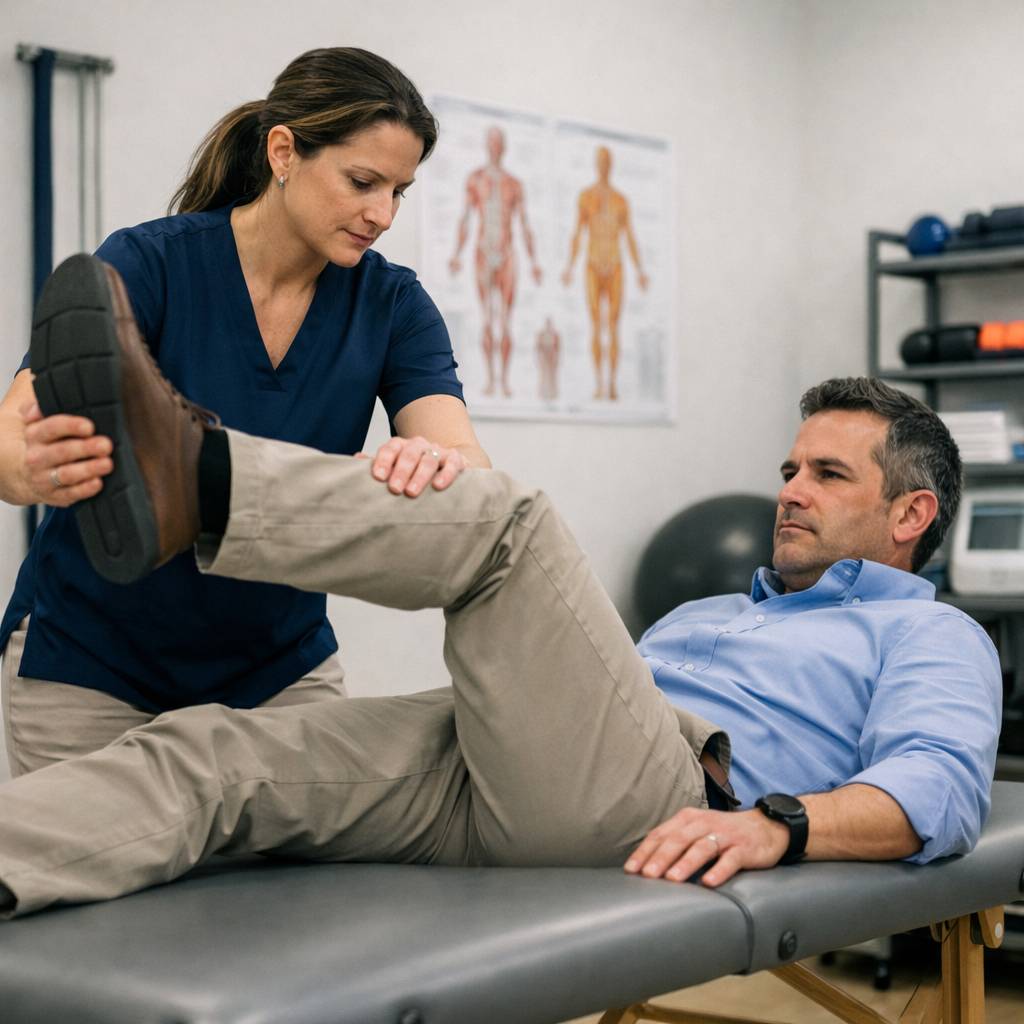
Employee health is no longer just an HR concern in the workplace. It's a core business strategy.
Rising healthcare costs, increasing workplace injuries, and the demand for better employee experiences have pushed organizations to rethink how care is delivered throughout each year.
Enter the onsite employer clinic.
Offered by the team at Unify Health Services, onsite workplace clinics are transforming occupational healthcare by bringing medical services directly into the place of employment.
The result? A more proactive, efficient, and human-centered approach to workforce health and general wellbeing for all employees.
Employer-Sponsored Onsite Clinics Defined
Onsite workplace clinics are employer-sponsored health centers located at or near the job site. Designed to support both safety and wellbeing, these clinics deliver a wide range of occupational health services, including:
- Injury evaluation and treatment
- OSHA-compliant screenings and exams
- Drug and alcohol testing
- Ergonomic assessments
- Preventive care and health coaching
Unlike traditional off-site care, onsite clinics are built around the specific needs of a workforce: aligning clinical services with job demands, risk exposure, and operational goals.
Modern onsite clinics have evolved far beyond basic first aid stations. Today, they often function as comprehensive care hubs, offering occupational health, primary care, and even chronic disease management in a single, convenient setting.

Benefits of Onsite Employer Clinics
1. Faster Access to Care & Better Outcomes
One of the most significant advantages of onsite clinics is speed.
When an employee is injured or becomes ill, immediate access to care can dramatically improve outcomes.
Instead of leaving the workplace to visit urgent care or waiting days for an appointment, employees can be evaluated and treated right away.
This rapid response:
- Prevents minor issues from becoming serious injuries
- Enables early intervention for musculoskeletal discomfort
- Supports faster return-to-work timelines
Unify Health Service’s onsite clinics emphasize early intervention as a key driver in reducing injury severity and long-term disability.
2. Reduced Healthcare Costs for Employers
Cost containment is one of the biggest reasons organizations invest in onsite clinics.
By shifting care away from expensive settings like emergency rooms and urgent care centers, employers can significantly reduce healthcare spend. Onsite clinics provide lower-cost alternatives for treating common injuries, illnesses, and preventive needs.
Additional ways onsite clinics reduce costs for employers is:
- Fewer workers’ compensation claims escalate
- Reduced OSHA-recordable incidents
- Lower disability and lost-time costs
Some employers report substantial returns on investment — driven by decreased emergency care utilization and improved population health outcomes.
3. Increased Productivity & Reduced Downtime
Time is money, especially when employees must leave work for care.
Onsite clinics also dramatically reduce time away from the job for employees.
Instead of losing hours traveling to and from off-site providers, employees can receive care and return to work quickly.
Additional benefits for increased productivity and reduced downtime include:
- Reduced absenteeism
- Less presenteeism (working while unwell)
- Minimal workflow disruption
Some estimates suggest that off-site visits can cost employers several hours of lost productivity per incident—time that onsite clinics effectively reclaim.
4. Builds a Culture of Prevention and Safety
Onsite clinics don’t just treat injuries—they help prevent them.
Occupational health providers work closely with employers to identify workplace risks, implement safety protocols, and promote healthier behaviors. This includes:
- Ergonomic assessments
- Injury prevention programs
- Stretching and conditioning initiatives
- Safety training and compliance support
For example, Unify integrates workplace stretching programs that improve flexibility, reduce discomfort, and lower injury rates.
This proactive approach fosters a culture where safety becomes embedded in daily operations—not just a compliance requirement.
5. Improves Employee Experience and Retention
In a competitive labor market, benefits matter—and convenience is king.
onsite clinics signal that an employer is invested in employee wellbeing. This can lead to:
- Higher job satisfaction
- Improved morale and engagement
- Stronger recruitment and retention
Employees value easy access to care, shorter wait times, and personalized attention. In many cases, these clinics also offer preventive services, wellness coaching, and chronic disease management—helping employees stay healthier long-term.
6. Integrated, Data Driven Health Strategies
A major advantage of partnering with Unify is the ability to integrate clinical care with workplace data.
Our onsite clinics can:
- Track injury trends and risk factors
- Align healthcare delivery with job demands
- Support compliance with OSHA and other regulations
- Deliver customized programs tailored to workforce needs
This integration allows employers to move from reactive care to predictive and preventive health strategies—ultimately improving both safety outcomes and business performance.
Creating a Healthier Workplace is Not as Hard as it May Seem
Onsite employer clinics are no longer a “nice-to-have”— they are rapidly becoming a cornerstone of modern occupational healthcare.
By delivering convenient, high-quality care directly at the workplace, organizations can:
- Reduce costs
- Improve productivity
- Enhance employee wellbeing
- Build a culture of safety
Unify Health Services is proud to lead this shift in a more productive and healthier workforce for hundreds of companies throughout the United States.
We are actively helping employers reimagine healthcare — not as a reactive expense, but as a proactive investment in their workforce. And, in a world where healthy employees drive healthy businesses, that’s a competitive advantage worth building upon.
To learn more about our onsite occupational health clinics or to get one of your own set up, contact our team today.